
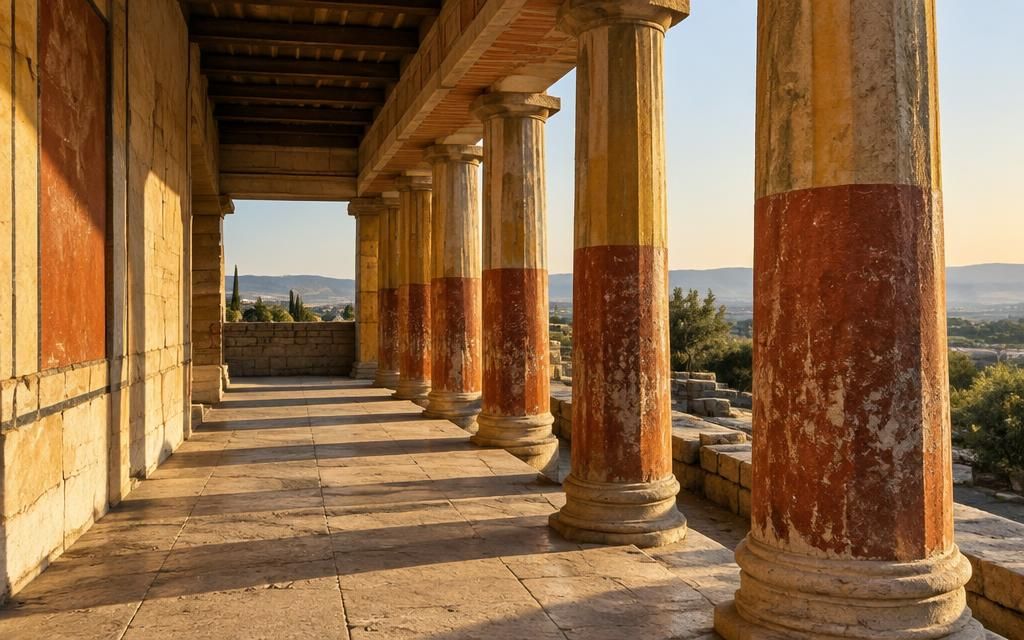
A merchant’s son from Cyprus founded one of the most influential philosophies of the ancient world: Stoicism.
Zeno was born in Kition around 334 BC. Ancient biographers tell that he was the son of a merchant and that, after a shipwreck near Athens, he wandered into a bookshop, began reading about Socrates and never left philosophy again.
In Athens, Zeno taught at the Stoa Poikilē, the ‘painted porch’, a public colonnade decorated with paintings. His followers became known as Stoics — the people of the porch. Stoicism would influence Greek and Roman thought for centuries, from Seneca to Marcus Aurelius.

At the heart of Stoic teaching is the idea of living in agreement with nature. For the Stoics, nature was an ordered whole, and a good life meant understanding one’s place within it, acting with reason and accepting what lies beyond one’s control.
Stoics distinguished between what depends on us — our judgments and actions — and what does not. Calm, they argued, comes from caring deeply about the first and holding the second lightly. This advice still speaks to anyone seeking balance in a busy life.
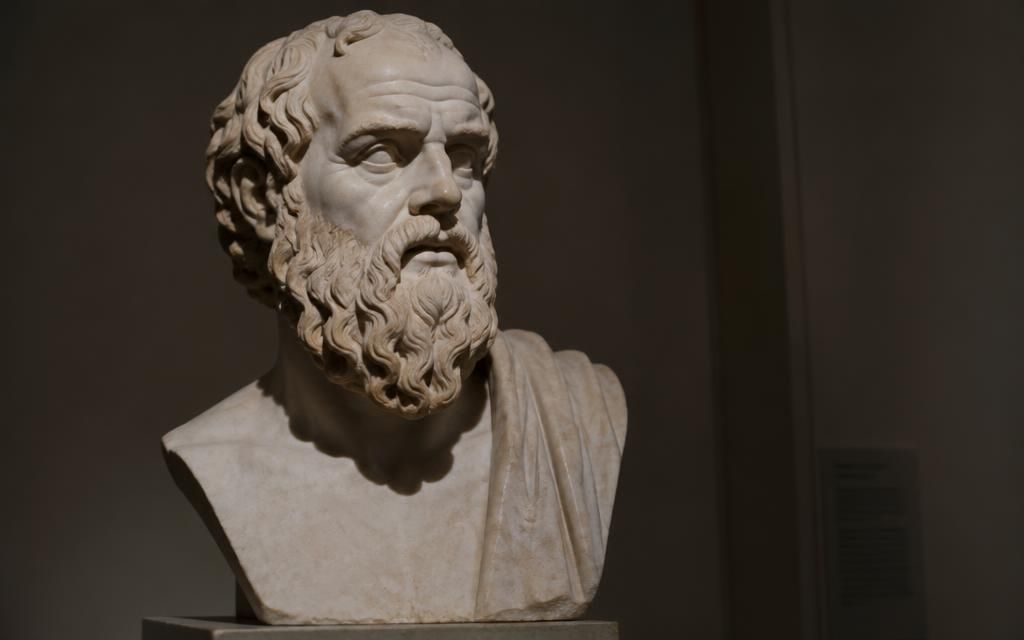
Zeno remained proud of his Cypriot origins. Ancient sources report that he wanted to be known as ‘Zeno of Kition’, even when Athens honoured him. A son of a Phoenician-Greek harbour city gave the world a philosophy of inner freedom.
ZeinAn’s principle of Stoic Balance is a cultural tribute to him. It inspires the way we think about measure, simplicity and care. It is a philosophy we admire, not a property we claim for any product.
Editorial heritage essay by ZeinAn, within the cultural remit of the Longevity Academic Committee. Mythology and tradition are presented as such; this text makes no product or health claims.
Next essayLiving according to nature →