
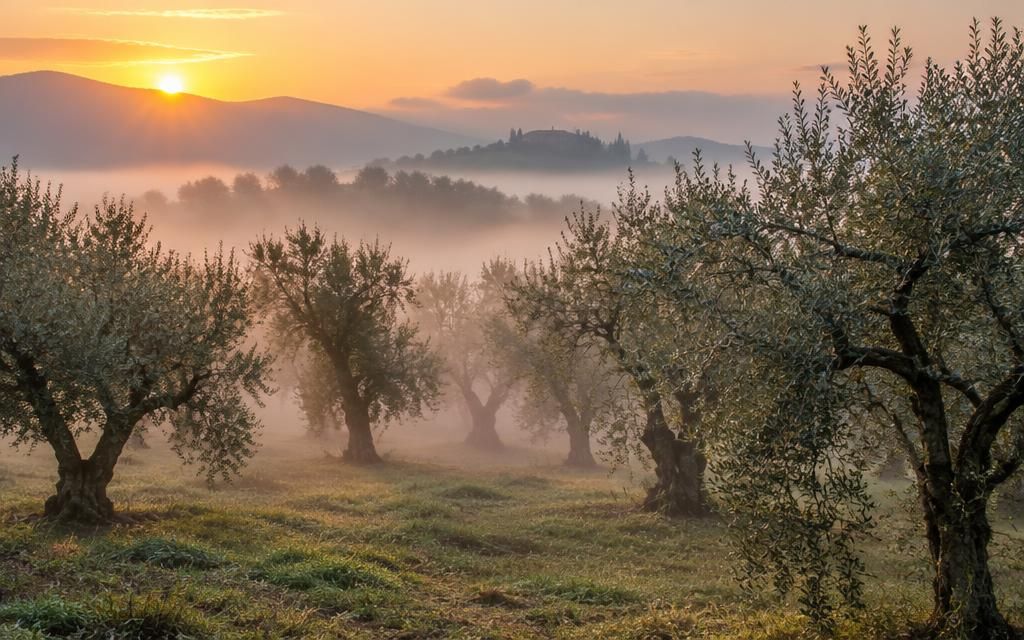
What the Stoic idea of harmony with nature meant in antiquity, and how it can inspire sustainable living today.
‘Live according to nature’ is perhaps the most famous Stoic maxim. In its original sense it did not mean returning to the wild; it meant living in agreement with the rational order of the world and with our own nature as thinking, social beings.
For the Stoics, every person was a citizen of the cosmos. Our wellbeing was bound to the wellbeing of others and of the whole. Selfishness, excess and anger were seen as forms of disharmony — like a single instrument playing out of tune in an orchestra.

Modern readers often hear in this idea an early ecological sensitivity. Historians caution against reading ancient texts too directly through modern concerns, but the intuition is powerful: a good life is one that fits within a larger living order.
Mediterranean traditions offered practical forms of this harmony: eating with the seasons, wasting little, repairing rather than replacing, resting in the heat of the day, gathering at the table. These habits are part of what UNESCO recognises as intangible heritage in the region.

Sustainable longevity, as ZeinAn understands it, is the meeting of these two threads — an ancient philosophy of balance and a living culture of moderation. It is a brand philosophy about how we wish to work and live.
We are careful with words. Sustainability is a direction of effort, not a badge, and each environmental statement about a product must be supported by evidence. The Stoic lesson is precisely this: honesty about what is within our power.
Editorial heritage essay by ZeinAn, within the cultural remit of the Longevity Academic Committee. Mythology and tradition are presented as such; this text makes no product or health claims.
Next essayDiaita: the ancient art of daily balance →