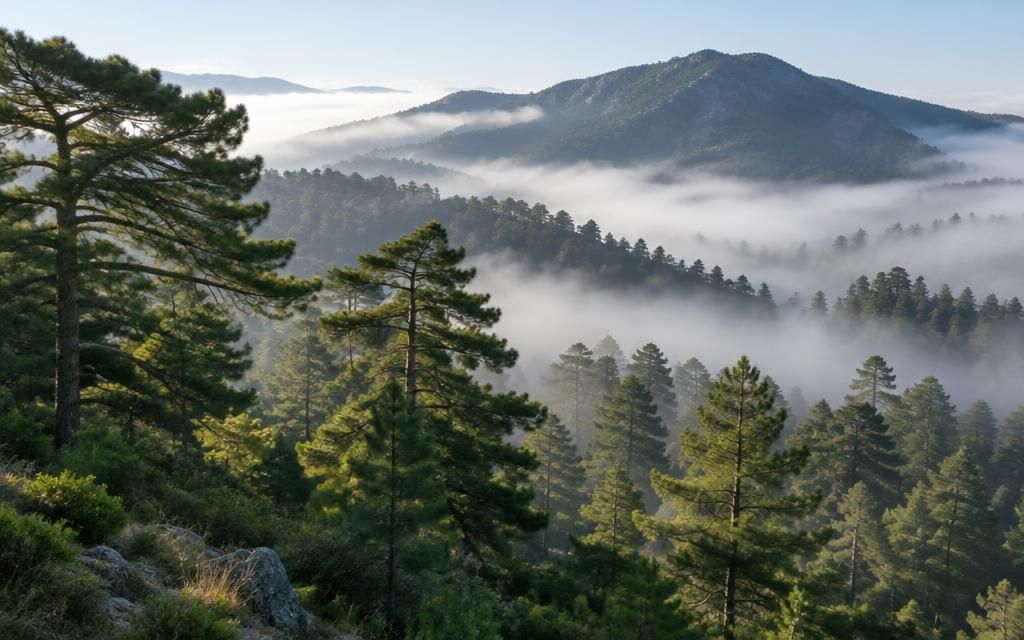
The green heart of Cyprus, where geology, forests and painted churches tell a story of endurance.
Rising in the centre of the island, the Troodos mountains are the green heart of Cyprus. Their highest peak, Mount Olympus, reaches almost two thousand metres, and in winter it is sometimes covered in snow.
Geologists know the Troodos as one of the best-preserved fragments of ancient ocean crust on land. The same geological history explains the copper deposits that made Cyprus famous in antiquity.
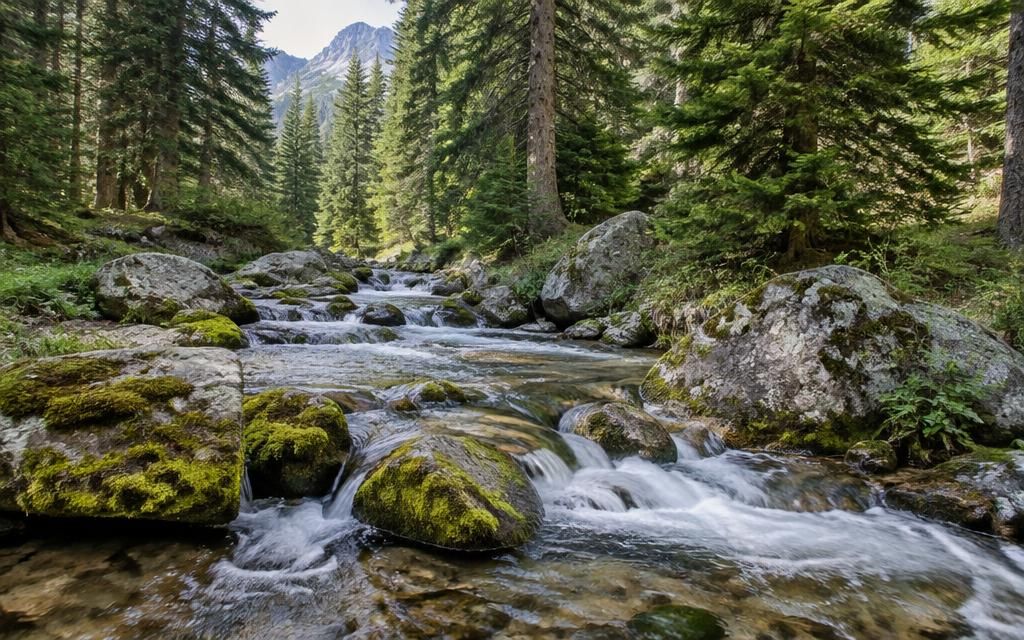
The mountains are covered by forests of pine, cedar and oak, with springs that feed villages and orchards below. Their cool air made them a summer refuge for islanders for centuries.
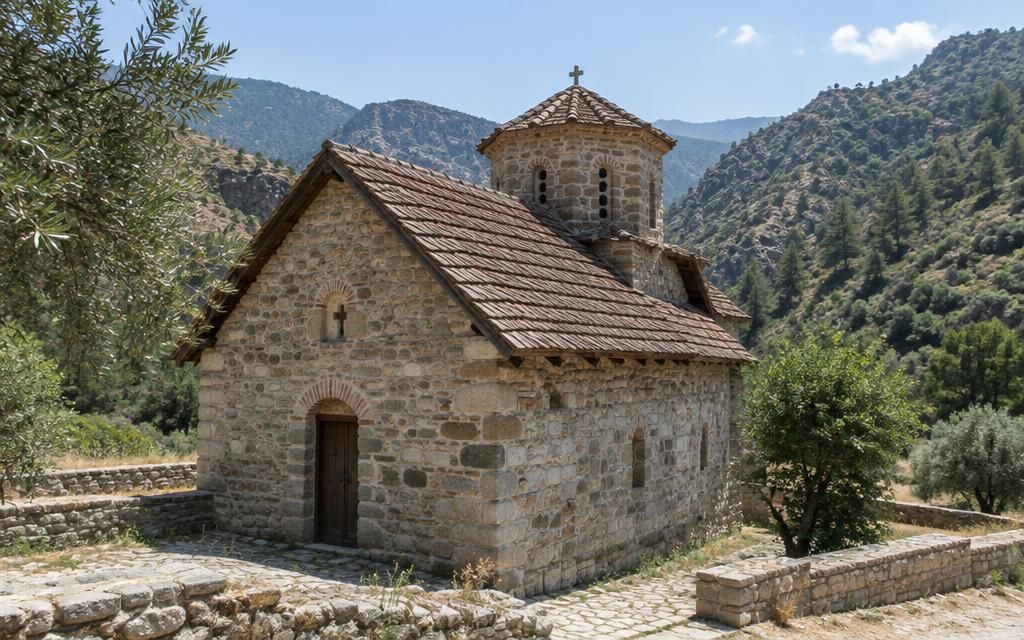
In remote valleys stand the painted churches of the Troodos, a group of Byzantine and post-Byzantine churches listed by UNESCO as World Heritage. Behind modest exteriors with steep roofs, their walls glow with frescoes.
Mountain villages kept alive crafts, recipes and seasonal festivals: rose distillation, wine and grape traditions, honey and herbal preparations. Much of this knowledge has been passed down orally, from generation to generation.
The Troodos reminds us that longevity in a culture comes from roots. ZeinAn looks to these mountains as a symbol of endurance and of knowledge kept by communities over time.
Editorial heritage essay by ZeinAn, within the cultural remit of the Longevity Academic Committee. Mythology and tradition are presented as such; this text makes no product or health claims.
Next essayPetra tou Romiou, where the foam meets the stone →