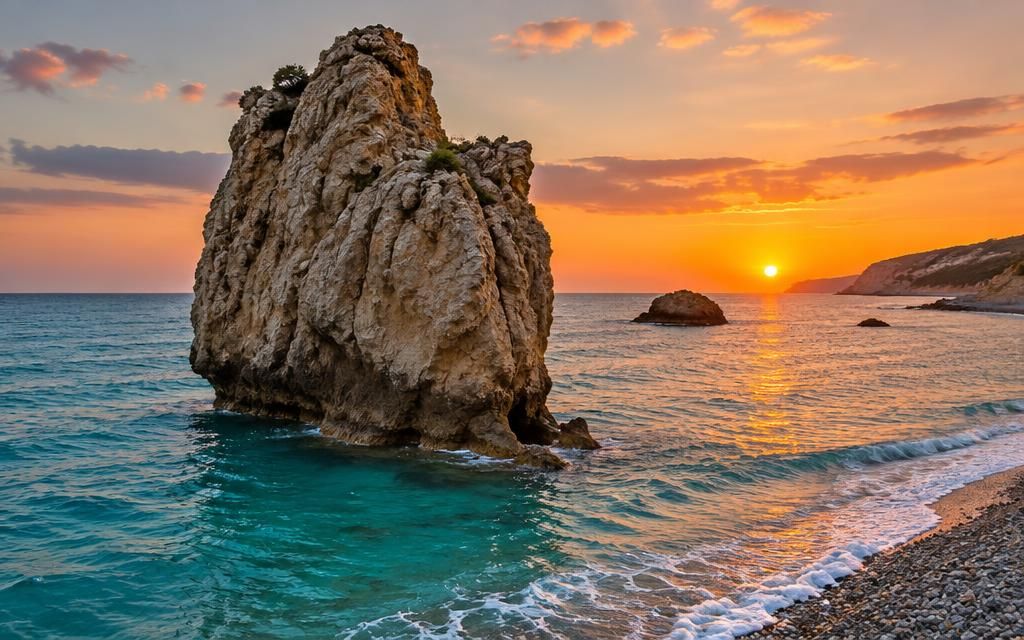
The rocky coast near Paphos that tradition links with the birth of Aphrodite, and the light that makes it unforgettable.
On the south-western coast of Cyprus, near Paphos, a great rock rises from the sea. Its name, Petra tou Romiou, means ‘the rock of the Greek’, and tradition associates this shore with the birth of Aphrodite from the sea foam.
In Hesiod’s Theogony, the goddess is born from the foam — aphros in Greek — and comes ashore on Cyprus. Later poets and the great sanctuary of Palaepaphos, nearby, made her the Cyprian goddess par excellence.
The rock also carries a second legend: that of the Byzantine hero Digenis, said to have hurled huge stones into the sea to repel invaders. Two stories, centuries apart, share the same place.
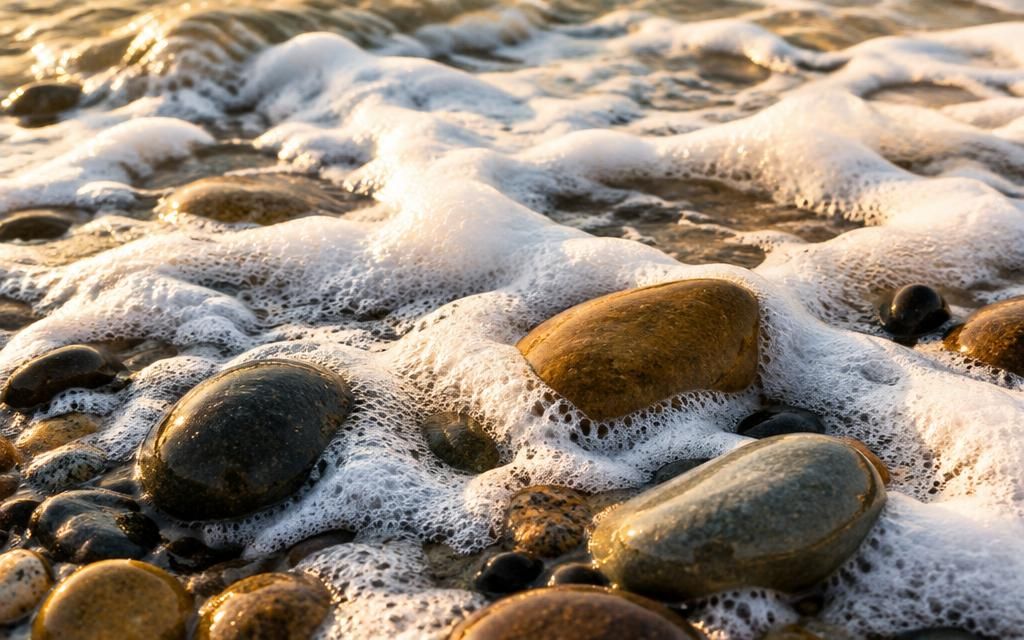
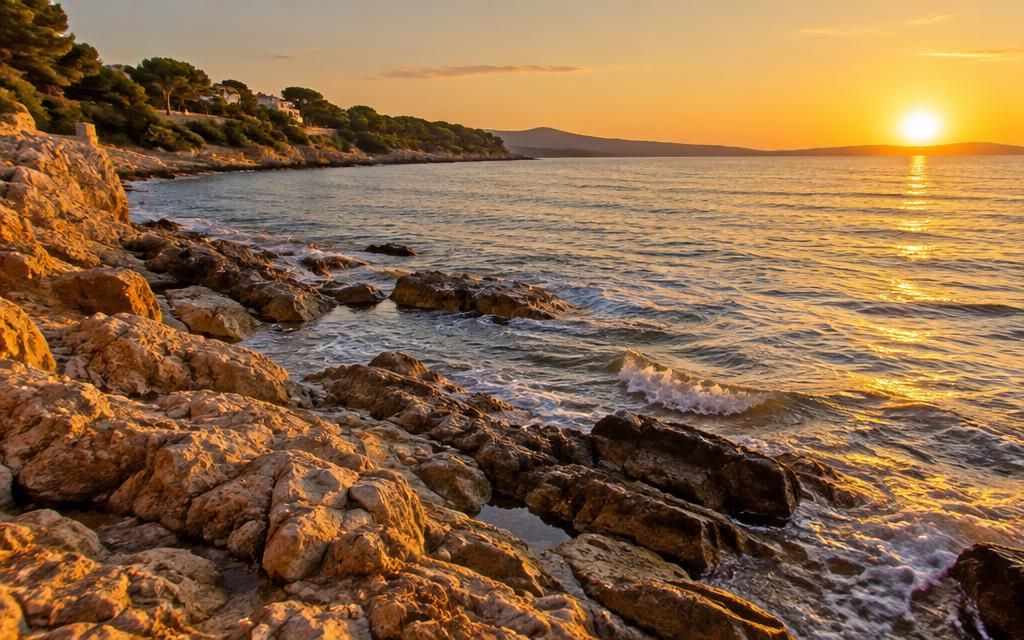
Visitors come for the light. In the late afternoon the sea turns from turquoise to gold, and the foam around the pebbles seems to shine. Local custom says that swimming around the rock brings beauty or love — a charming tradition, not a promise.
For ZeinAn, this coast is the source of an image rather than a claim: a scallop shell rising from the foam, the emblem on our first page. It represents beauty born from the meeting of elements.
Myths like this one are part of Cyprus’s intangible heritage. We retell them with care, clearly as myth and tradition, because their power lies in how they make us look again at the world.
Editorial heritage essay by ZeinAn, within the cultural remit of the Longevity Academic Committee. Mythology and tradition are presented as such; this text makes no product or health claims.
Next essayIsland time: light, sea and seasons in Cyprus →