
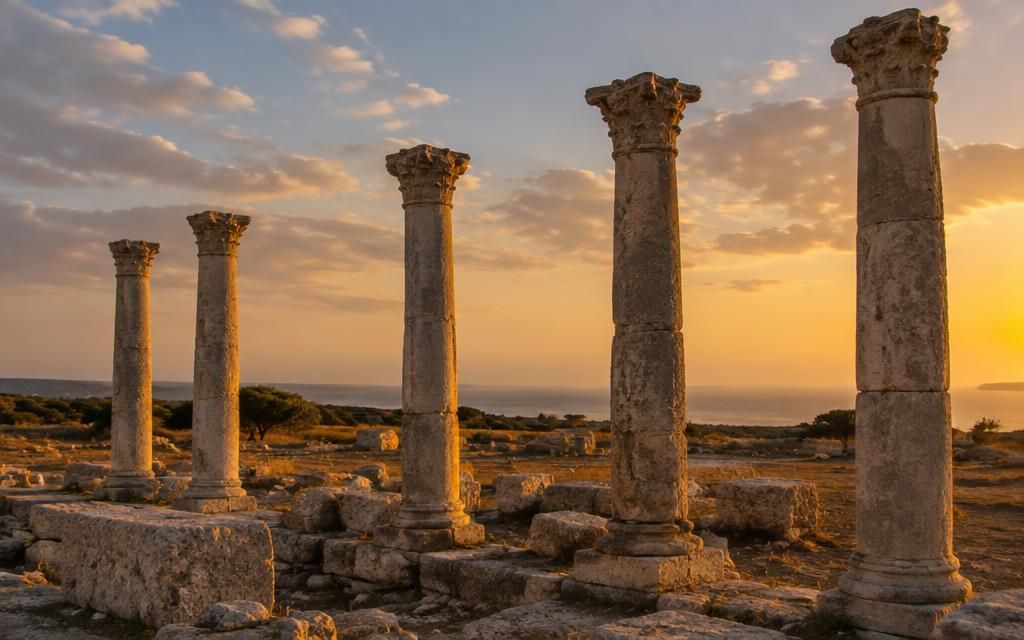
At Kition, Phoenician Astarte and Greek Aphrodite met. A short history of devotion, beauty and the sacred.
Among the remains of ancient Kition, archaeologists have studied a sacred quarter dedicated to a great female deity. The Phoenicians honoured her as Astarte; in the Greek world she was increasingly identified with Aphrodite, the goddess whom Cyprus claimed as its own.
Such identifications were common in the ancient Mediterranean. Peoples who met through trade often recognised their own gods in the gods of others. In Cyprus, this fusion produced a figure associated with love, fertility, the sea and beauty — and with the island itself.
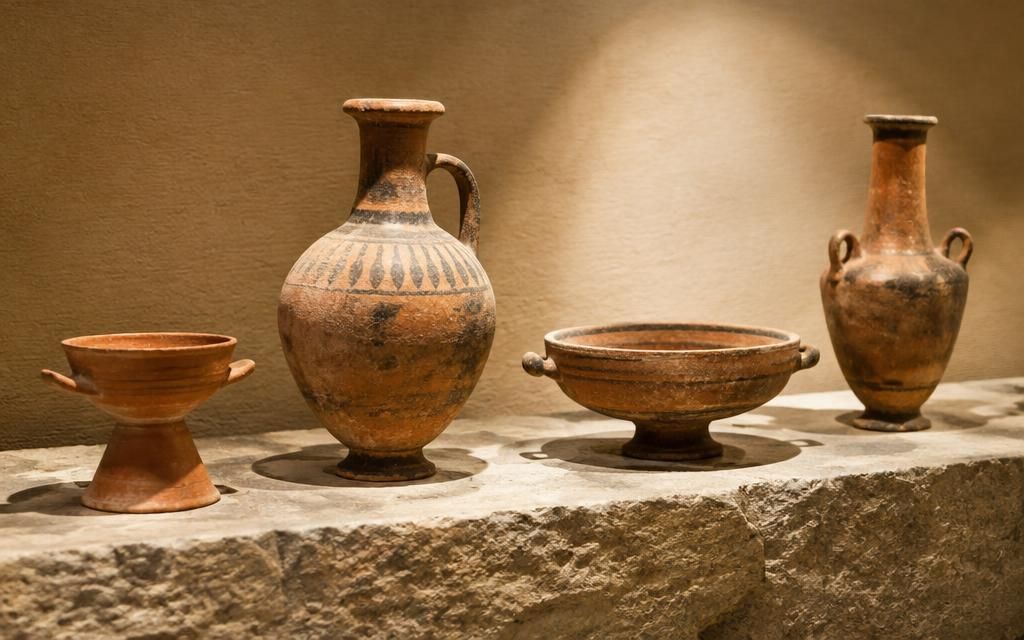
The sanctuary at Kition was not only a place of prayer. Temples in this period were also centres of economic life, connected to workshops, offerings and the metal industry. The sacred and the everyday were closely bound together.
Ancient devotion often involved gestures we would recognise today as care rituals: washing before entering a holy place, offering scented oils, burning aromatic resins, wearing flowers. Historians read these practices carefully, without assuming modern meanings, but they show how deeply beauty and the sacred were intertwined.
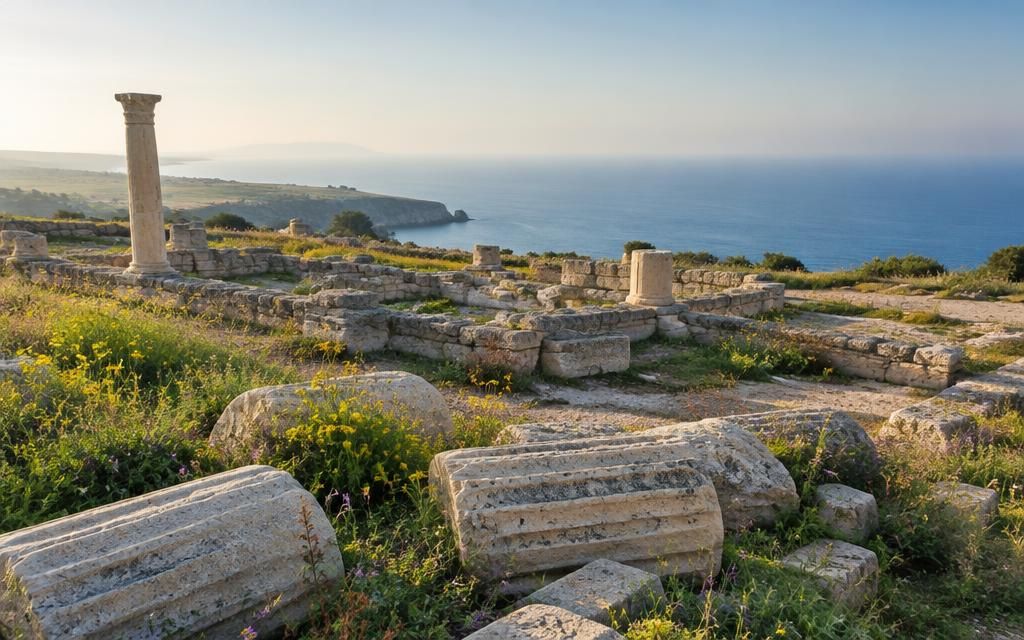
For ZeinAn, the Great Goddess is a cultural and symbolic presence, not a religious claim. She reminds us that, in this part of the world, caring for the body was never only cosmetic; it was a way of expressing respect — for oneself, for others and for something larger.
This is the intangible heritage we draw on: the idea that a ritual of care can be a moment of meaning. We translate it into contemporary terms, with modern standards, while keeping the sense of ceremony.
Editorial heritage essay by ZeinAn, within the cultural remit of the Longevity Academic Committee. Mythology and tradition are presented as such; this text makes no product or health claims.
Next essayThe salt lake, the flamingos and the shrine on the shore →