
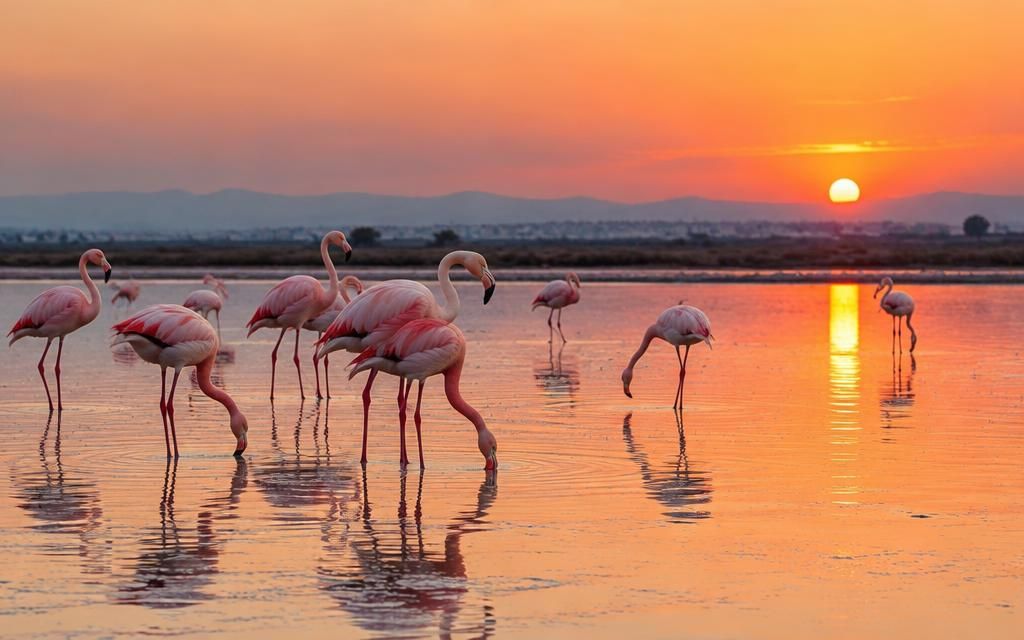
A shimmering salt lake beside the ancient city, a seasonal landscape that has shaped local life and imagination.
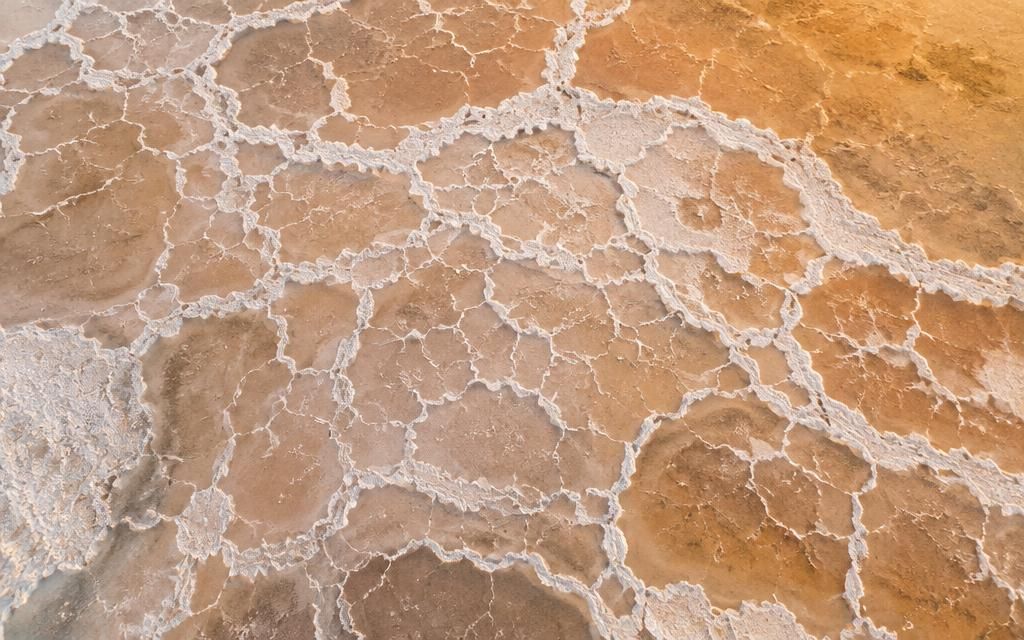
On the southern edge of the city lies one of the most striking landscapes in Cyprus: a salt lake that fills with water in winter and dries in summer into a pale, crystalline crust. In the cooler months, flocks of flamingos arrive and turn the water pink.
Salt was a precious resource throughout antiquity. It preserved food, cleaned wounds and played a part in rituals of purification. Local tradition records the gathering of salt from the lake over many generations, a seasonal work bound to the rhythm of rain and sun.
On the shore stands Hala Sultan Tekke, a revered Islamic shrine associated by tradition with a relative of the Prophet. Nearby, archaeologists have excavated an important Bronze Age settlement. In one view of the shore, prehistoric, Muslim and Christian layers of Cypriot memory sit side by side.
The lake is protected today as a wetland of international importance. Its value lies not only in its birds but in its fragile balance of fresh water, salt and time — a balance that changes with every season.
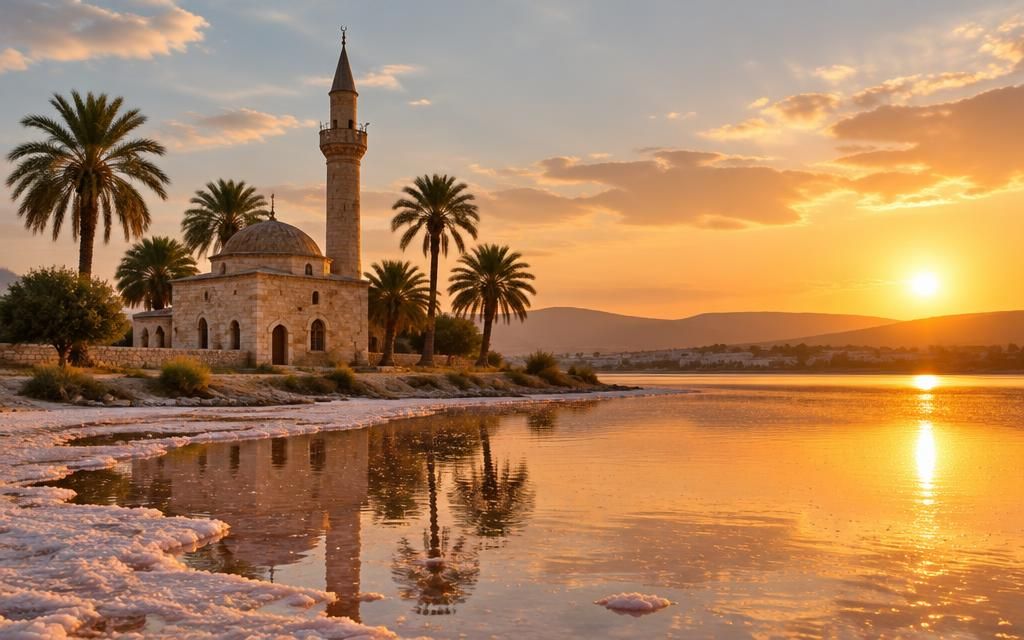
For us, the salt lake is a teacher. It shows how a landscape can transform and return, empty and fill, without ever losing its identity. That cycle inspires the principle we call Salt & Water: the meeting of the mineral and the fluid.
This is an inspiration, not an ingredient claim. When ZeinAn speaks of salt and water, it speaks of a heritage and a way of seeing nature — patient, cyclical and beautiful.
Editorial heritage essay by ZeinAn, within the cultural remit of the Longevity Academic Committee. Mythology and tradition are presented as such; this text makes no product or health claims.
Next essayRenewal and the idea of a second life →