
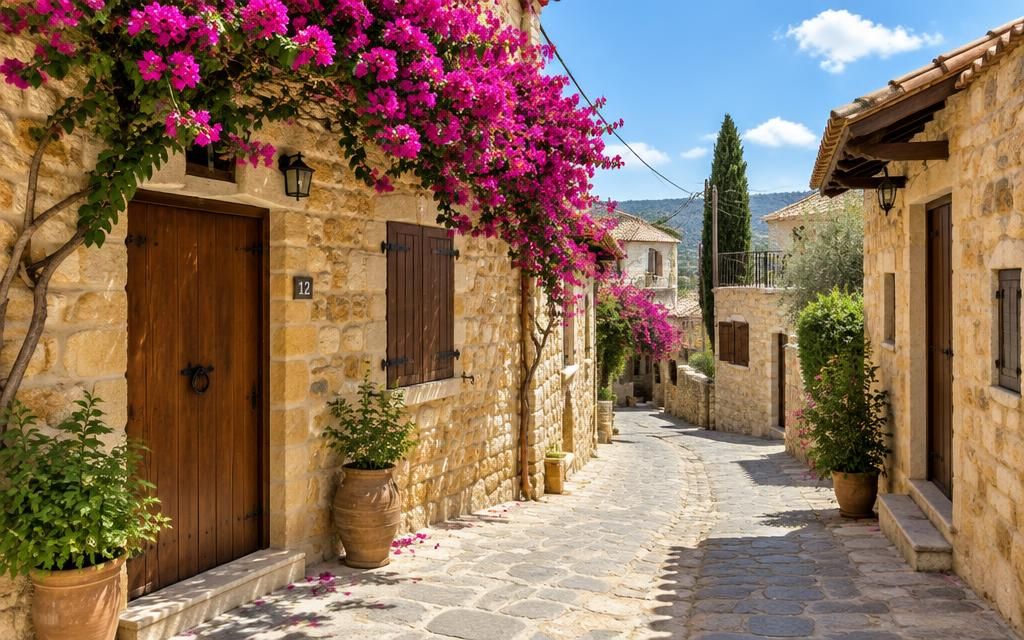
Sunlight, sea breezes and a slow rhythm of seasons have shaped the way Cypriots live, eat and gather.
Cyprus is one of the sunniest places in Europe. Long summers, mild winters and short, green springs give the island a rhythm that has shaped architecture, food and daily life.
Traditional houses were built around courtyards, with thick stone walls, shaded porches and vines trained over pergolas. They were designed to keep cool in summer and to gather the family outdoors in the evening.
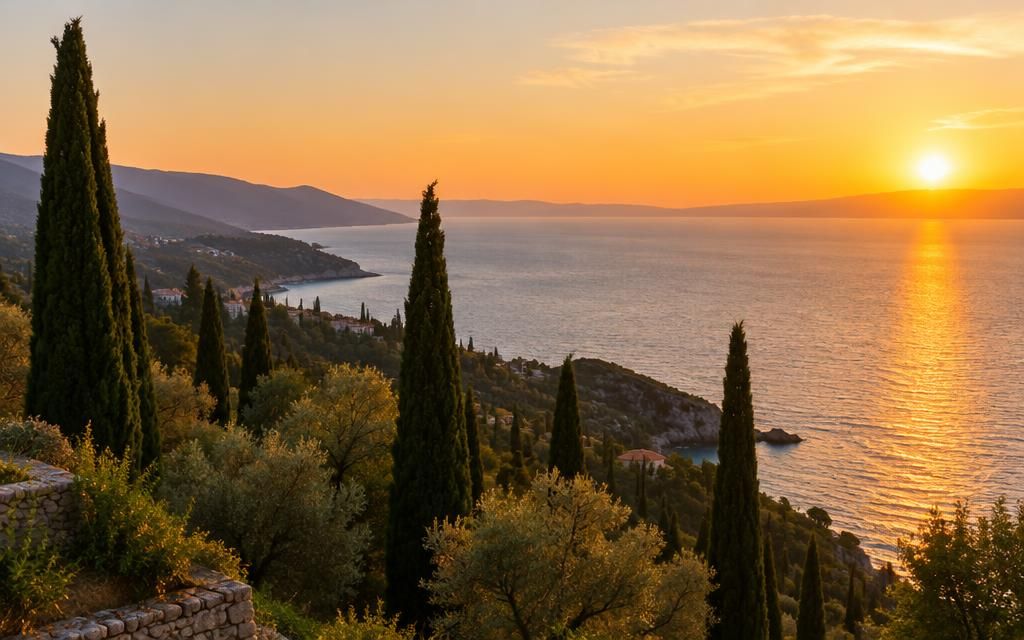
The day followed the sun. Work began early, the hottest hours were for rest, and evenings belonged to neighbours, conversation and food. This rhythm is still visible in villages today.
The sea gives the island its horizon. Fishing, sailing and coastal festivals such as Kataklysmos, the festival of the flood celebrated at Pentecost along the coast, keep a deep relationship with water alive.
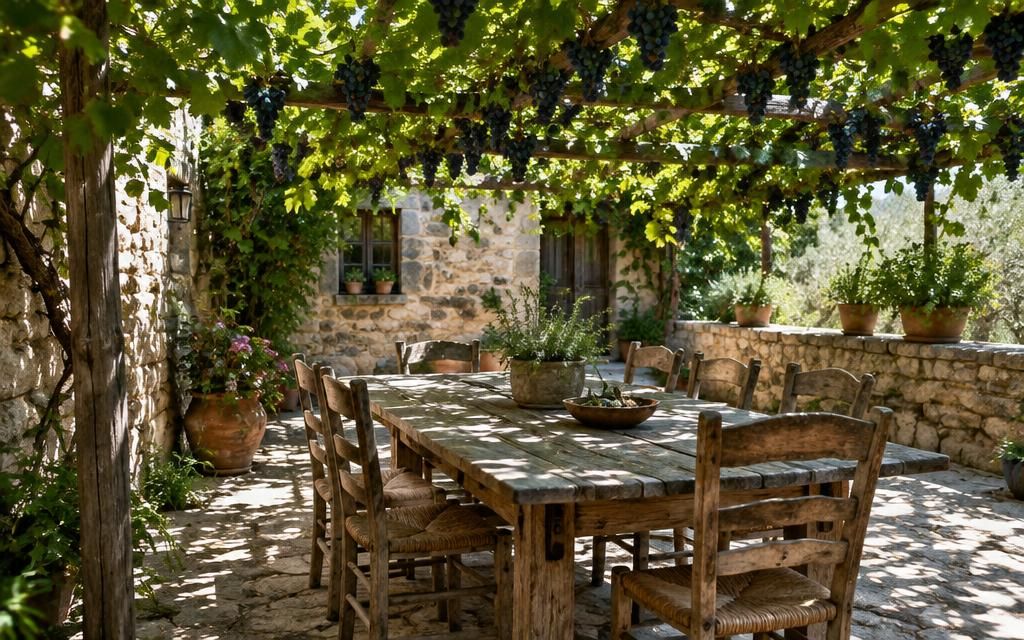
Researchers who study healthy ageing often look at social connection, physical activity and diet together. We do not claim that the island’s climate makes anyone live longer; we observe that its culture values time, company and the outdoors.
This is what we call island time — not slowness for its own sake, but attention. It is a quality we try to bring to every ZeinAn ritual.
Editorial heritage essay by ZeinAn, within the cultural remit of the Longevity Academic Committee. Mythology and tradition are presented as such; this text makes no product or health claims.
Next essayThe Mediterranean diet as intangible heritage →