
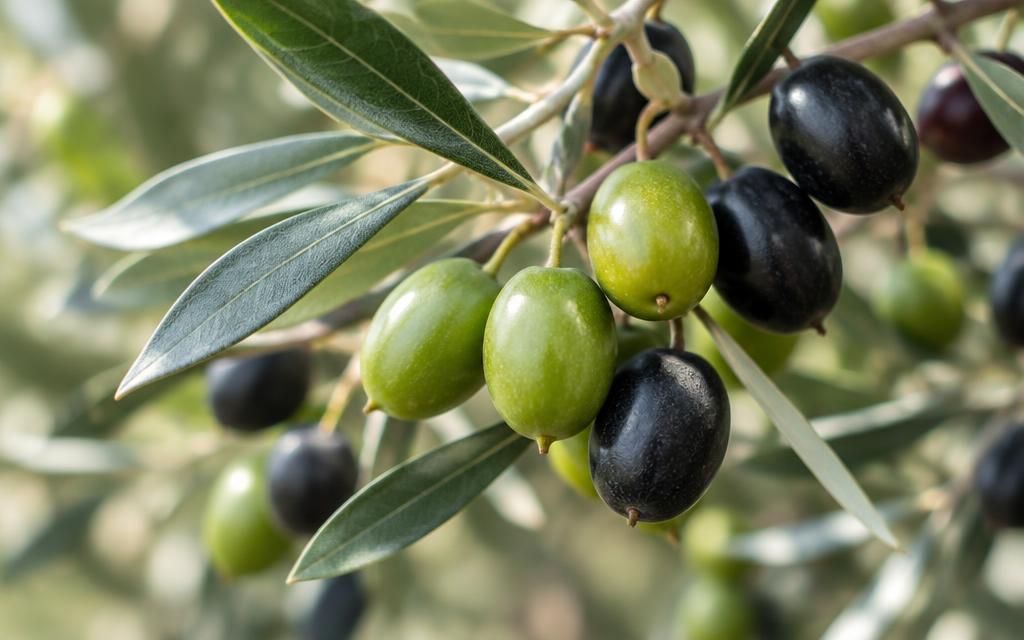
For thousands of years the olive tree has fed, lit and anointed the Mediterranean. A heritage of gesture and care.
Few trees are as closely tied to a civilisation as the olive. Across the Mediterranean, olive cultivation goes back thousands of years, and in Cyprus ancient presses and oil jars tell of its importance since antiquity.
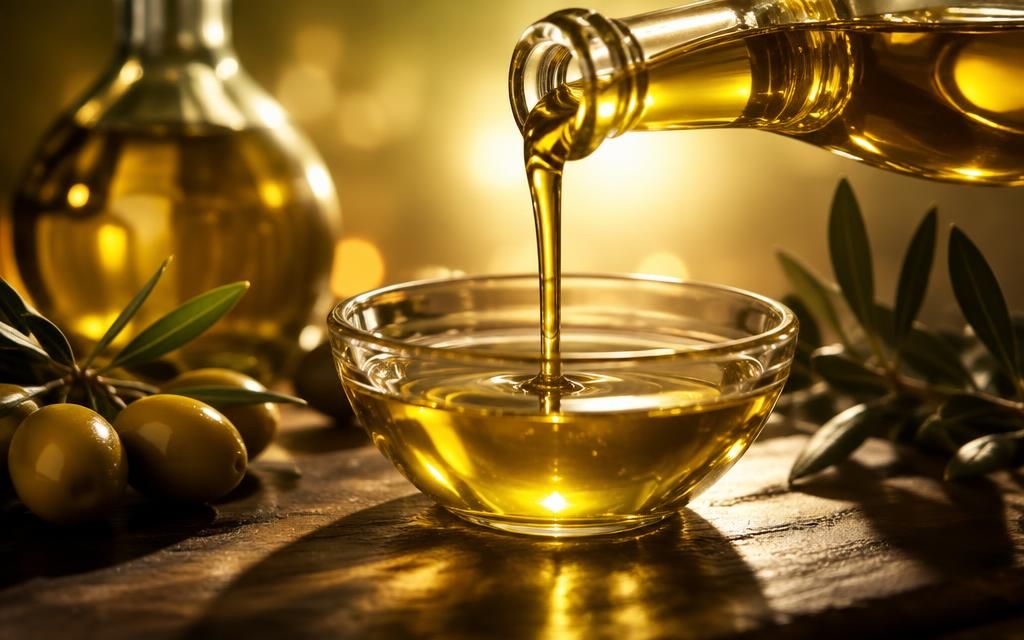
Olive oil had many uses. It was food and fuel for lamps; it was used in bathing, massage and perfumery; it was poured in religious rituals and used to anoint athletes, kings and the sick.
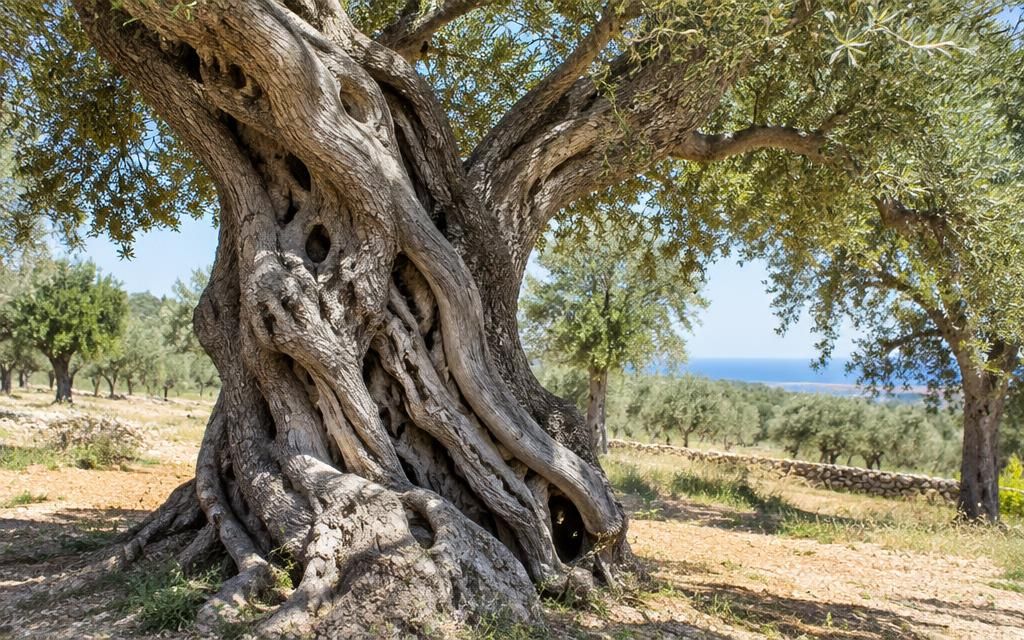
Some Cypriot olive trees are centuries old, their twisted trunks still bearing fruit. Families harvest them together in autumn, and in many villages the pressing season remains a moment of community.
In cosmetics, olive-derived ingredients have a long history as emollients. Any specific benefit of a ZeinAn formula, however, depends on the formula itself and on appropriate testing, never on tradition alone.
For us, olive oil represents continuity: a gesture — warming oil between the hands, applying it slowly — that links us to people who did the same thing two or three thousand years ago.
This gesture is part of the intangible heritage of the Mediterranean, and it inspires our oil-based and massage rituals.
Editorial heritage essay by ZeinAn, within the cultural remit of the Longevity Academic Committee. Mythology and tradition are presented as such; this text makes no product or health claims.
Next essayCarob, the black gold of Cyprus →