
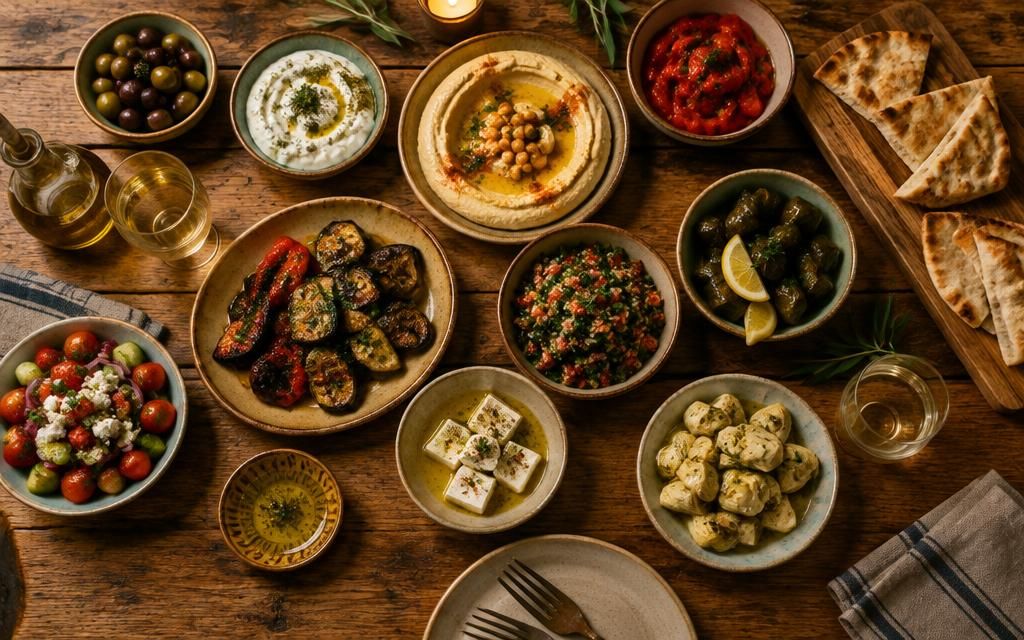
Recognised by UNESCO, the Mediterranean diet is about more than food: it is a way of sharing, growing and celebrating.
In 2013 UNESCO inscribed the Mediterranean diet on the Representative List of the Intangible Cultural Heritage of Humanity, in a joint nomination that includes Cyprus, Croatia, Greece, Italy, Morocco, Portugal and Spain.
The inscription describes the diet as a set of skills, knowledge, rituals, symbols and traditions concerning crops, harvesting, fishing, preservation, cooking and, above all, sharing food at the table.
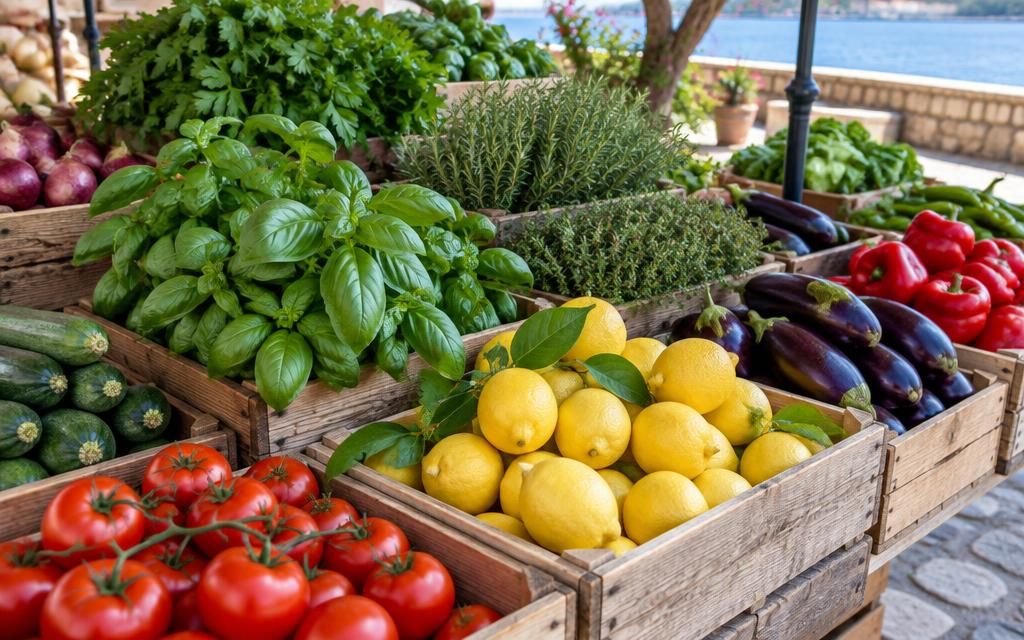
In other words, it is not a list of foods but a culture. The way a meal is prepared, the respect for the seasons, the presence of family and guests, the transmission of recipes from grandparents to grandchildren are all part of the heritage.
In Cyprus this culture includes olive oil, pulses, wild greens, herbs, carob, halloumi, fruits and the generous custom of mezze — many small dishes shared slowly over an evening.
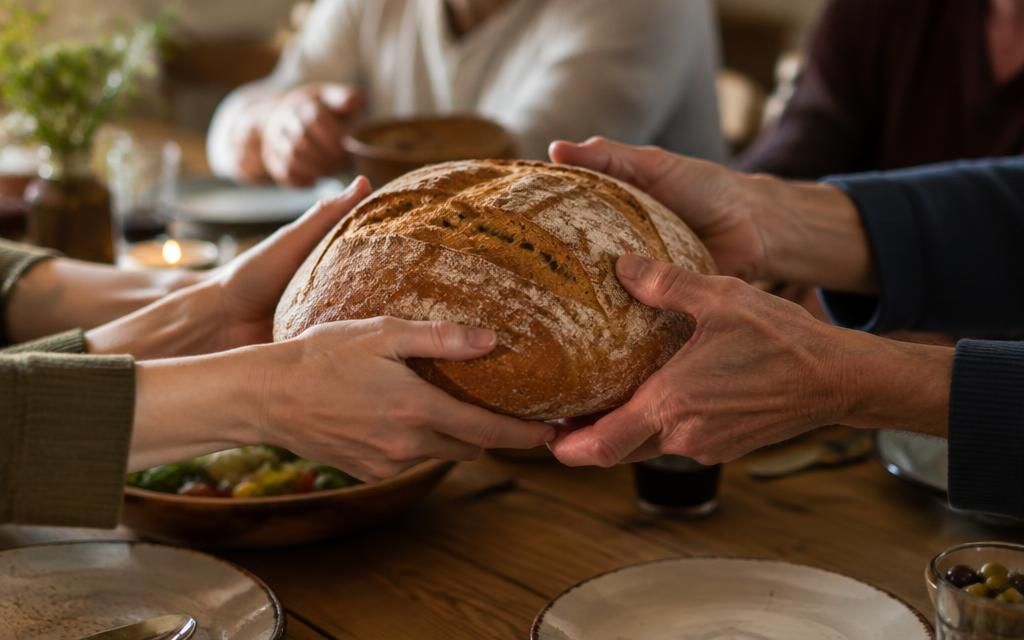
Nutrition science has studied Mediterranean-style eating patterns extensively. ZeinAn does not make nutritional or health claims; our interest is cultural — the values of moderation, seasonality and conviviality that the heritage expresses.
These values guide our idea of sustainable longevity: a way of living well that is shared, rooted in place and passed on.
Editorial heritage essay by ZeinAn, within the cultural remit of the Longevity Academic Committee. Mythology and tradition are presented as such; this text makes no product or health claims.
Next essayOlive oil, the liquid gold of the Mediterranean →