
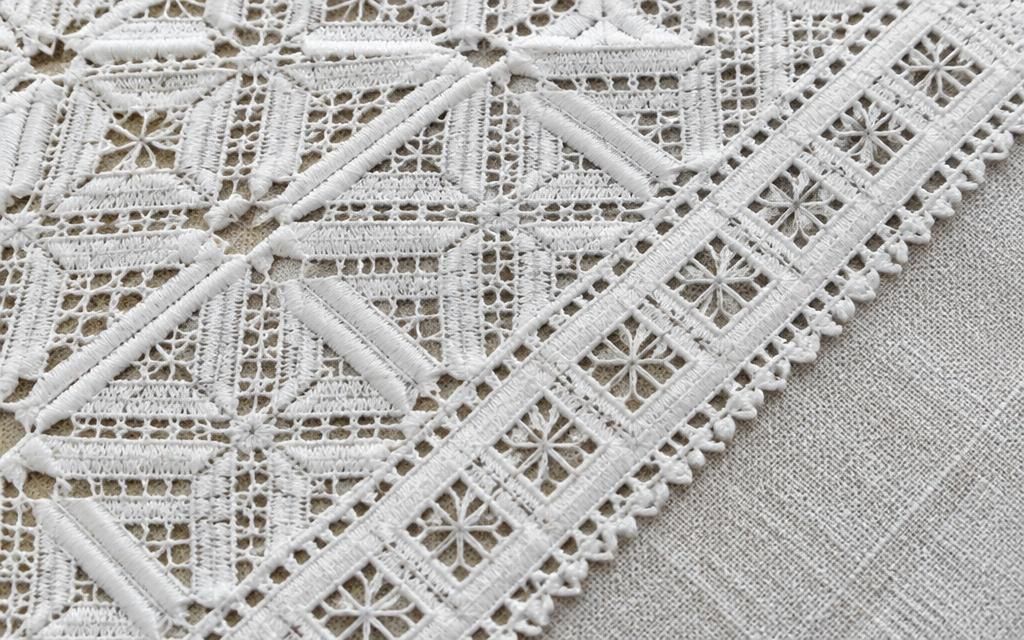
A UNESCO-recognised craft from a Cypriot village shows how skill, time and community create lasting beauty.
In the village of Lefkara, in the hills between Nicosia and the southern coast, women have embroidered a distinctive lace for centuries. Known as lefkaritika, it is made with white, brown or ecru thread on linen, in intricate geometric patterns.
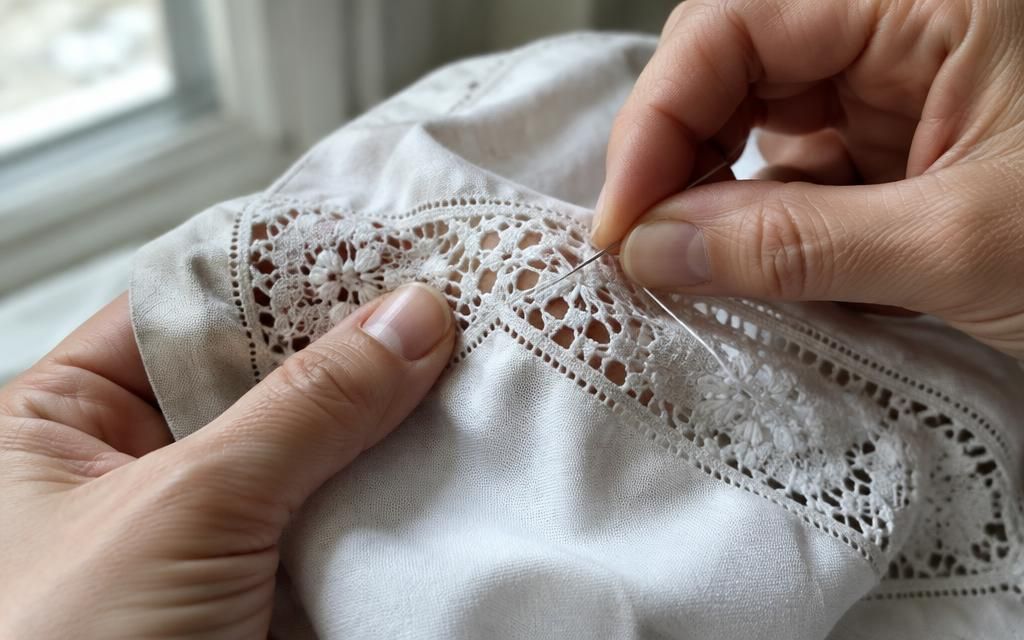
In 2009 UNESCO inscribed Lefkara lace on the Representative List of the Intangible Cultural Heritage of Humanity. The inscription recognises not only the objects but the social practice behind them: women working together in courtyards and on doorsteps, teaching younger generations.
A popular story says that Leonardo da Vinci visited Lefkara and bought lace for Milan Cathedral. Historians treat the tale with caution, but it shows how proudly the craft connects Cyprus and Italy in the local imagination.
Each piece requires many hours. Patterns are handed down, combined and named; mistakes are corrected by hand. The beauty of the lace is inseparable from the time it contains.
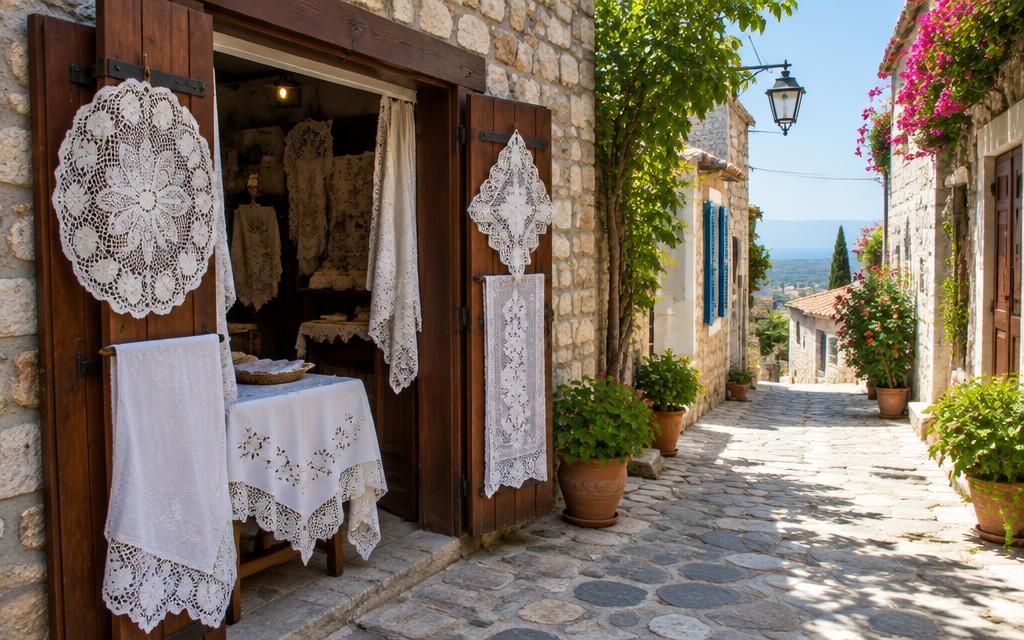
For ZeinAn, Lefkara lace is a model of what luxury means: not excess, but devotion. Handmade work, shared skill and patience are values we bring into our own craftsmanship.
Lefkara also shows how intangible heritage survives — through people. Supporting crafts, telling their stories and buying with respect are ways of helping them continue.
Editorial heritage essay by ZeinAn, within the cultural remit of the Longevity Academic Committee. Mythology and tradition are presented as such; this text makes no product or health claims.
Next essayKition, a Phoenician harbour on the edge of the sea →