How an ancient port on the southern coast of Cyprus became a meeting point of Mediterranean peoples, crafts and ideas.
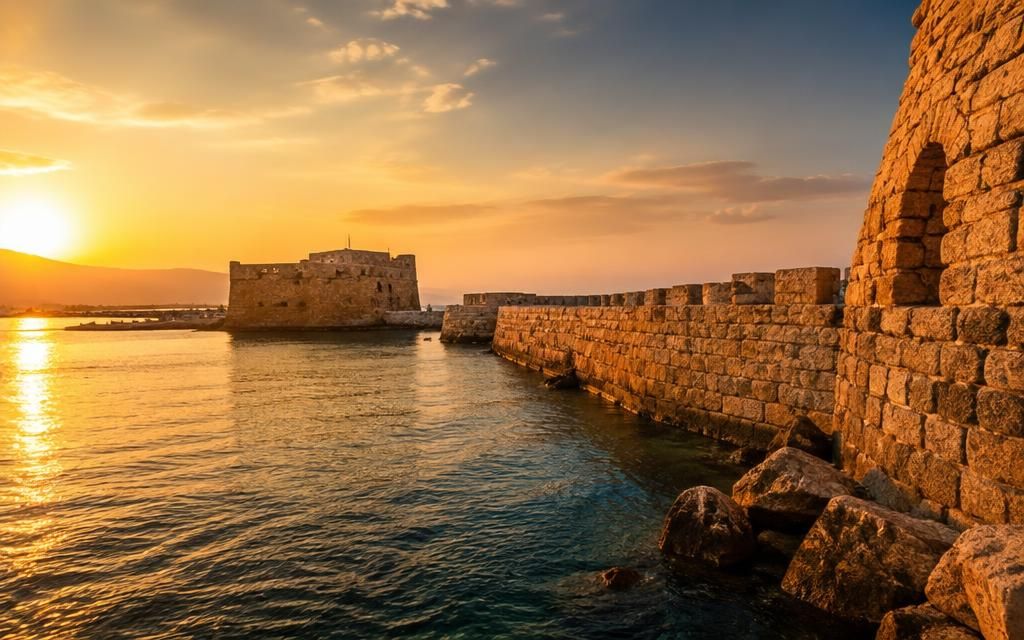
Long before modern Cyprus took shape, a city called Kition looked out over the southern sea. Archaeology shows a settlement here in the Late Bronze Age, and by the ninth century BC it had become one of the most important Phoenician centres on the island — a harbour where ships from the Levant, Greece and Egypt came and went.
The Phoenicians were not empire builders in the usual sense. They were navigators, merchants and craftsmen who connected shores. From Tyre and Sidon on the coast of present-day Lebanon they travelled west, founding trading posts in Cyprus, Sicily, Sardinia and North Africa. Kition was one of their closest and most enduring homes away from home.
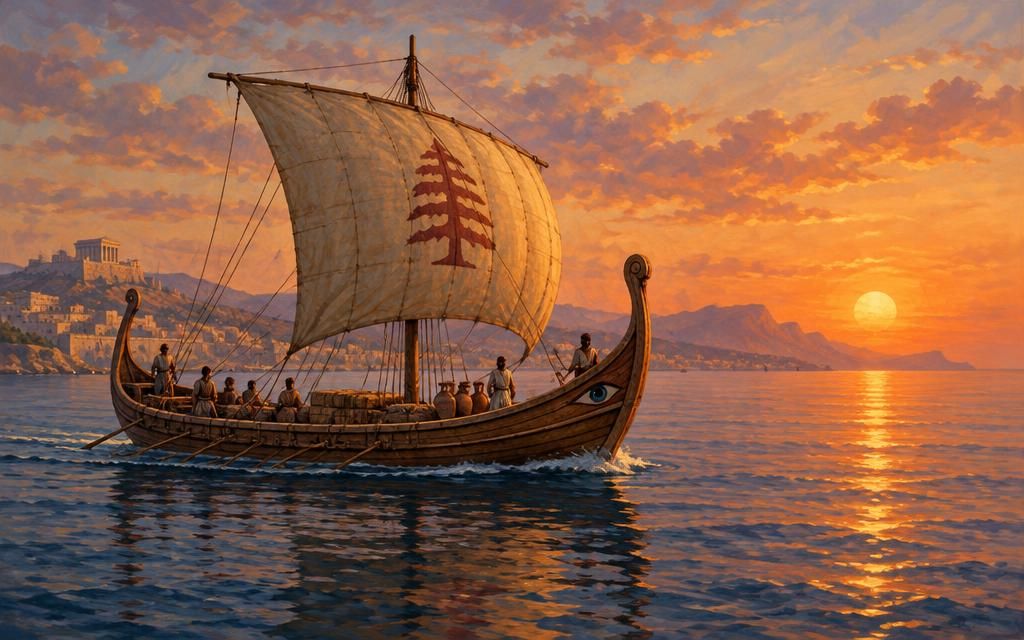
What travelled on those ships was more than cargo. Alphabets, weights and measures, ways of dyeing cloth, of working metal and glass, of honouring gods and caring for the body moved from port to port. Heritage experts call this kind of inheritance intangible: knowledge carried in gestures, words and habits rather than in monuments.
In Kition, the harbour was the heart of the city. Remains of shipsheds, sacred buildings and workshops tell of a community that lived by the rhythm of the sea, the seasons of sailing and the arrival of goods and guests. Hospitality and exchange were daily practices, not abstract values.
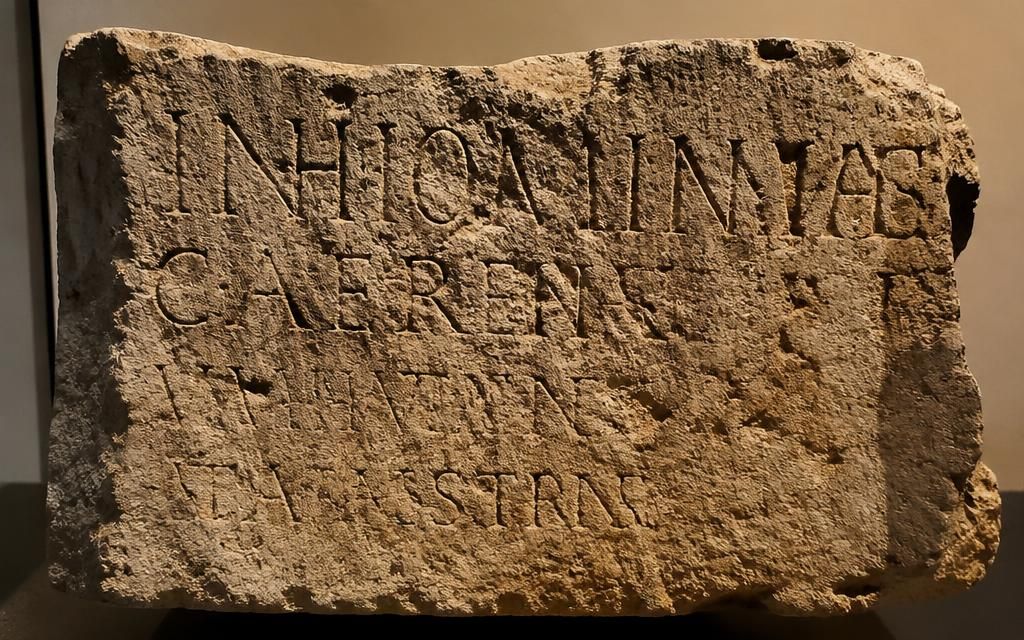
For ZeinAn, this harbour is a living metaphor. A Mediterranean brand founded by a Sardinian and a Lebanese founder, meeting in Cyprus, follows — in its own modern way — the routes the Phoenicians drew across the sea. We do not claim descent from those sailors; we take inspiration from their spirit of connection.
To remember Kition is to remember that wellbeing has always been shared. Care for the body, for the guest and for the community travelled together, from shore to shore. That is the heritage we want to keep moving.
Editorial heritage essay by ZeinAn, within the cultural remit of the Longevity Academic Committee. Mythology and tradition are presented as such; this text makes no product or health claims.
Next essayCopper and the name of Cyprus →