The island gave its name to a metal. The story of Cypriot copper, and why its warm glow lives in the ZA mark.
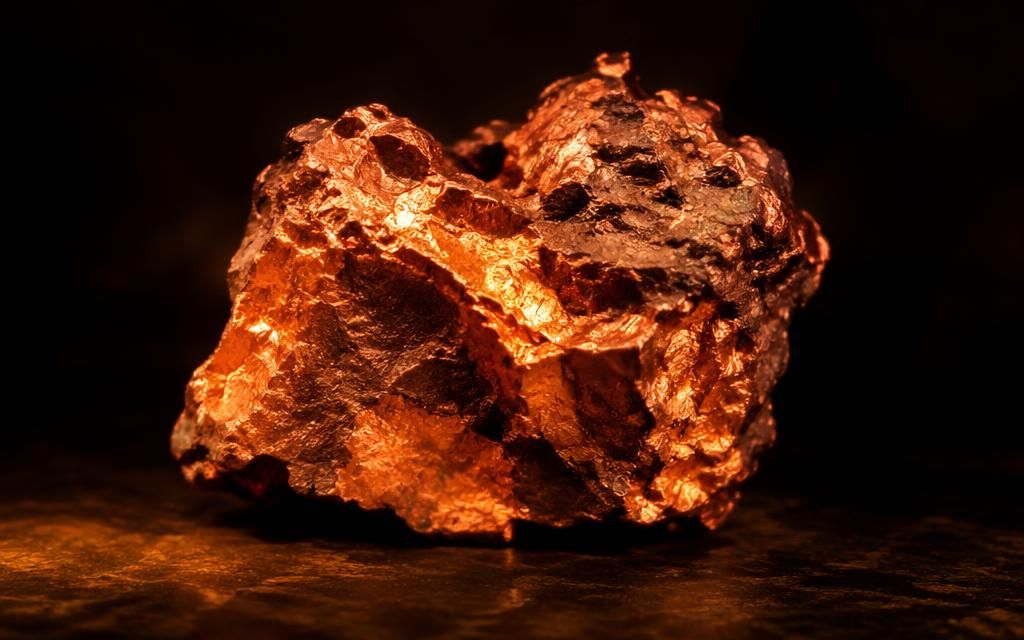
Few places have given their name to a material. Cyprus did. In Latin, copper was first called aes Cyprium, ‘the metal of Cyprus’, later shortened to cuprum — the root of the English word copper and of the chemical symbol Cu.
Copper ores in the foothills of the Troodos mountains were worked from the Bronze Age onwards. Cypriot metal travelled across the eastern Mediterranean, often in the form of heavy ingots shaped like a stretched ox hide, which have been found in shipwrecks and harbours far from the island.
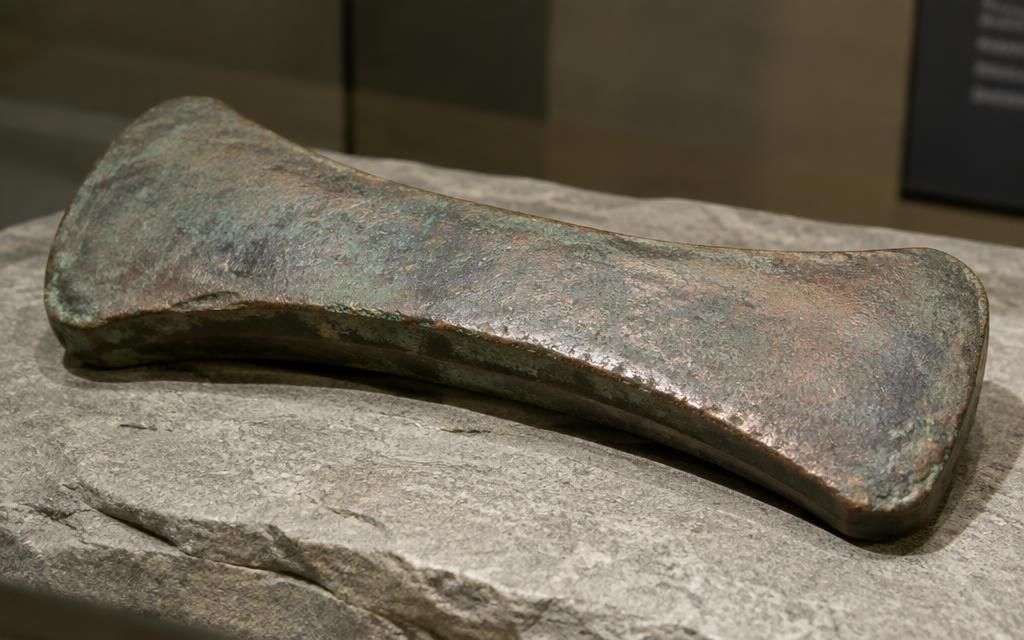
Copper shaped the wealth of ancient cities such as Kition, and with that wealth came temples, workshops and trade networks. Ancient texts and archaeological finds connect the island’s metal with its prosperity and with its fame among neighbouring peoples.
Copper also carried a symbolic life. In the ancient Mediterranean it was associated with Aphrodite, the goddess most closely linked to Cyprus, and later traditions connected the metal to the planet Venus. These associations belong to mythology and symbolism, and we tell them as such.
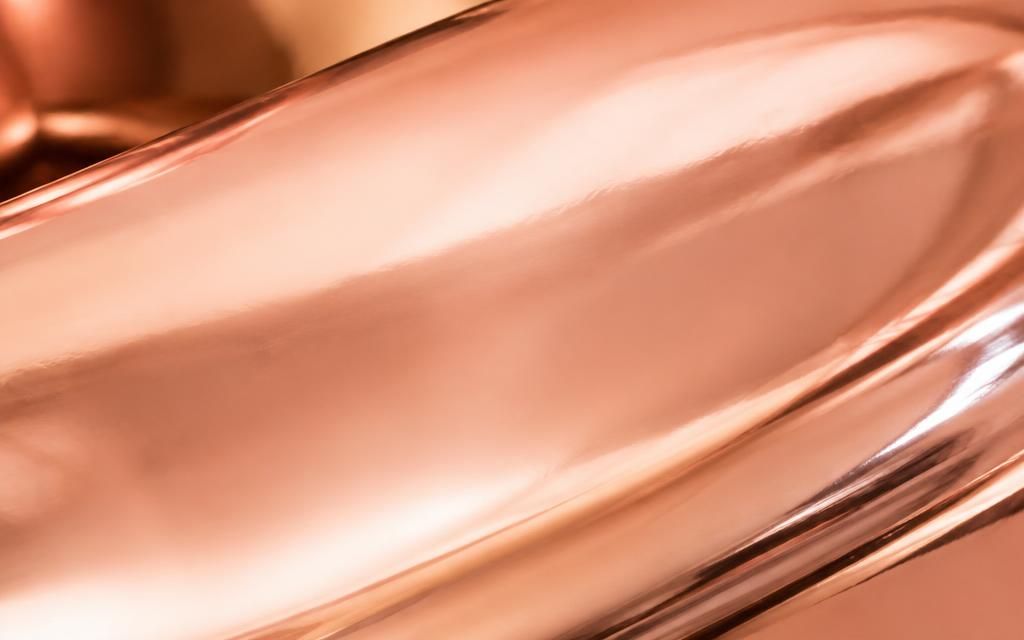
The rose gold and gold of the winged ZA mark are a tribute to this story. They are the colours of Cypriot copper catching the light — a reminder that the island’s identity was forged as much by craft and material as by myth.
For a cosmetics house, copper is a lesson in patience. Metal must be found, refined, shaped and polished. So must a formula, a ritual, a brand. The warmth of copper is the warmth of things made carefully, over time.
Editorial heritage essay by ZeinAn, within the cultural remit of the Longevity Academic Committee. Mythology and tradition are presented as such; this text makes no product or health claims.
Next essayThe sanctuary of the Great Goddess →