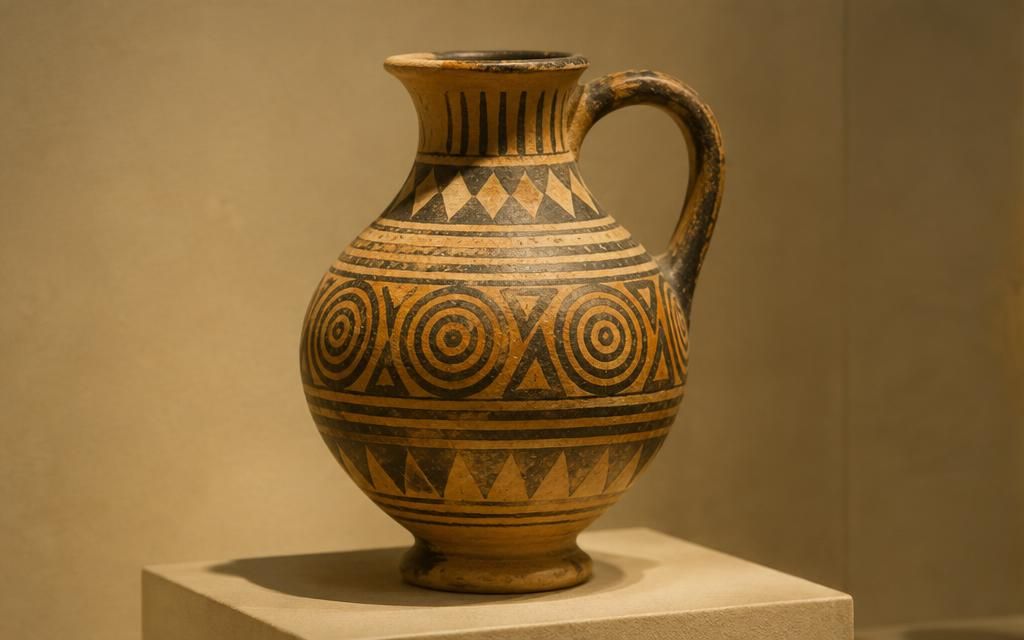
Copper, cities and contact with the Aegean: the island in the Late Bronze Age, when Kition first rose.
The story of Kition begins earlier than its Phoenician centuries. In the Late Bronze Age, around the thirteenth century BC, a city with substantial walls and temples stood on the site, part of a Cyprus that traded actively with the Aegean, Anatolia, the Levant and Egypt.
This was the age of copper. Cypriot metal appears in diplomatic letters of the period, and the island — known to its neighbours as Alashiya, according to many scholars — was valued as a supplier of the raw material that made bronze possible.
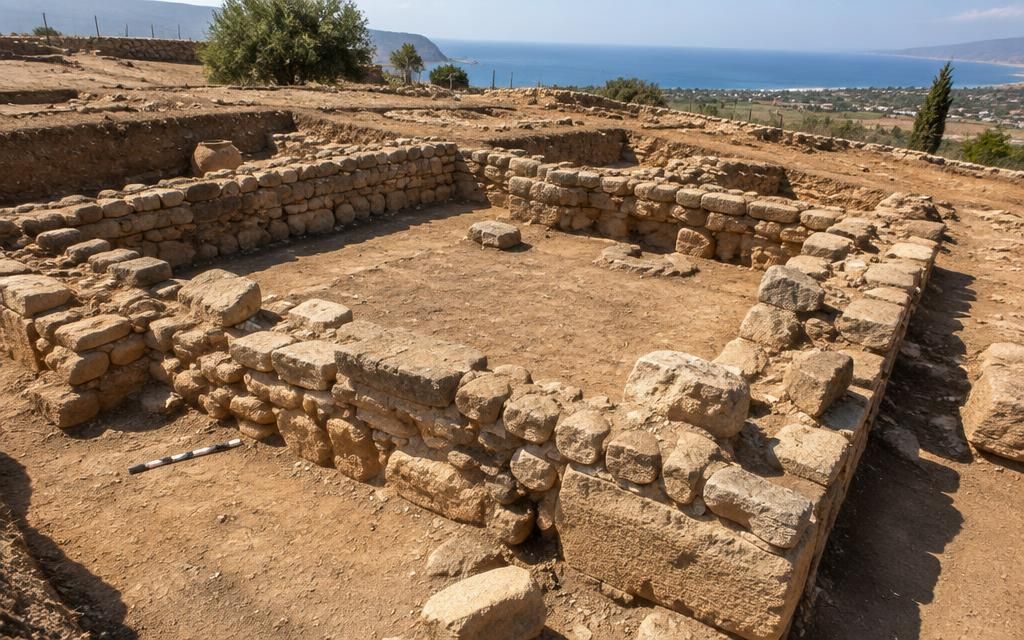
Around the end of the Bronze Age, people from the Aegean world settled on the island. Greek-speaking communities shaped the language and culture of Cyprus for the centuries that followed, which is why Greek tradition speaks of Mycenaean founders of several Cypriot cities.
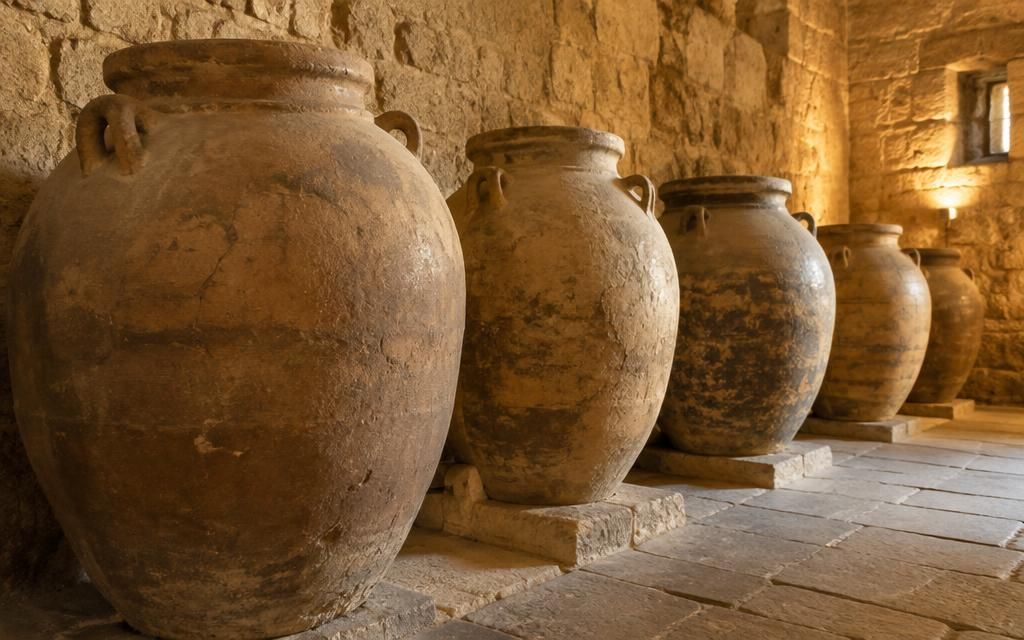
Daily life left its traces in pottery, tools, loom weights and storage jars. Oil, wine, grain and textiles were produced and stored; perfumed oils, in particular, were a valued product of the ancient eastern Mediterranean.
Historians debate many details of this period, and new excavations keep changing the picture. What is clear is that Cyprus was already a crossroads — a place where techniques and tastes from many shores were combined.
That crossroads is the deepest layer of the Kition heritage. ZeinAn sees in it a reminder that innovation in the Mediterranean has always meant combining traditions, not erasing them.
Editorial heritage essay by ZeinAn, within the cultural remit of the Longevity Academic Committee. Mythology and tradition are presented as such; this text makes no product or health claims.
Next essayZeno of Kition and the porch of painted columns →