
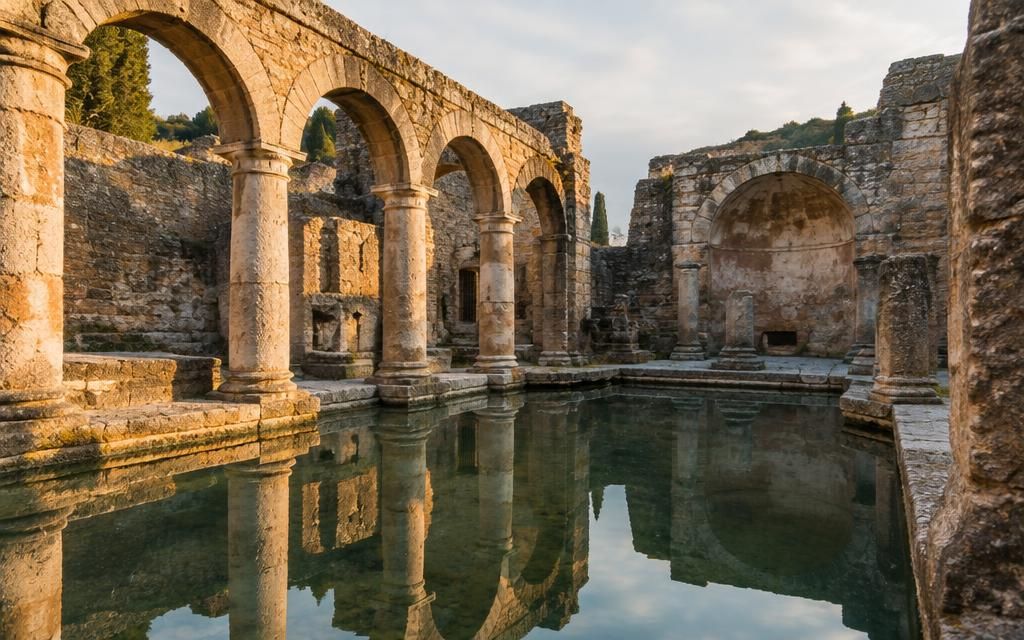
From Greek gymnasia to Roman baths, bathing was a social, philosophical and sensory ritual across the Mediterranean.
In the ancient Mediterranean, bathing was rarely a solitary, hurried act. In Greek gymnasia, athletes cleaned themselves with oil and a curved metal scraper called a strigil. In the Roman world, public baths became meeting places where people exercised, talked and rested.
Cyprus shared in this culture. Roman-period sites on the island, including the grand houses and public buildings of Paphos and Kourion, show the importance of water, mosaics and comfort in daily life.
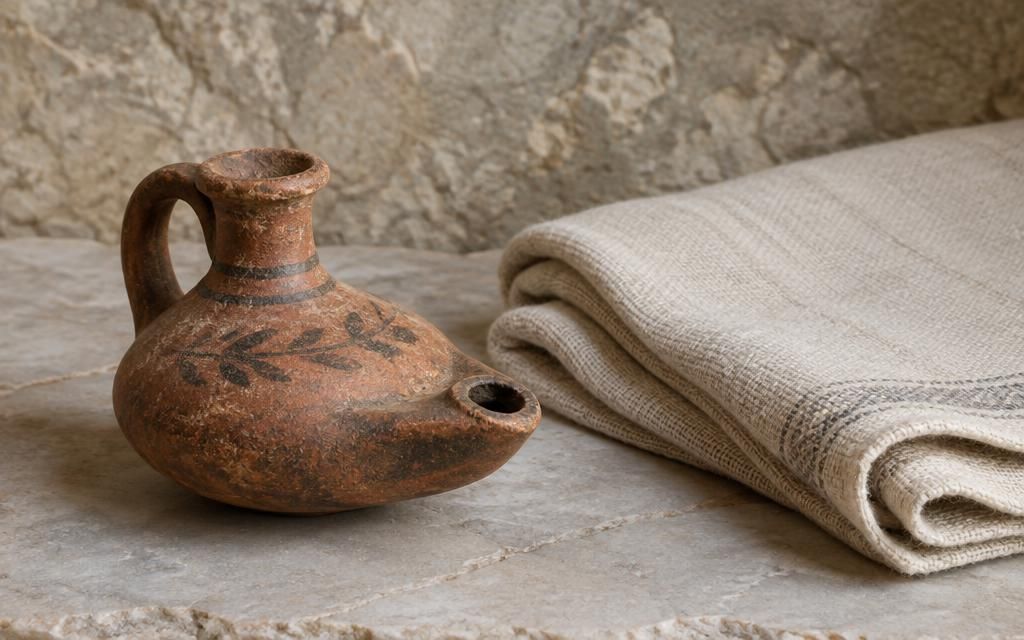
Oil played a central role. Scented oils were applied before and after bathing, and perfumed ointments were traded widely. Ancient writers describe the pleasure of these preparations — and sometimes criticise their excess.
Philosophers took part in the debate. For some, the bath was a healthy discipline; for others, a dangerous temptation to luxury. Seneca famously contrasted the simple baths of earlier Romans with the extravagant ones of his own time.
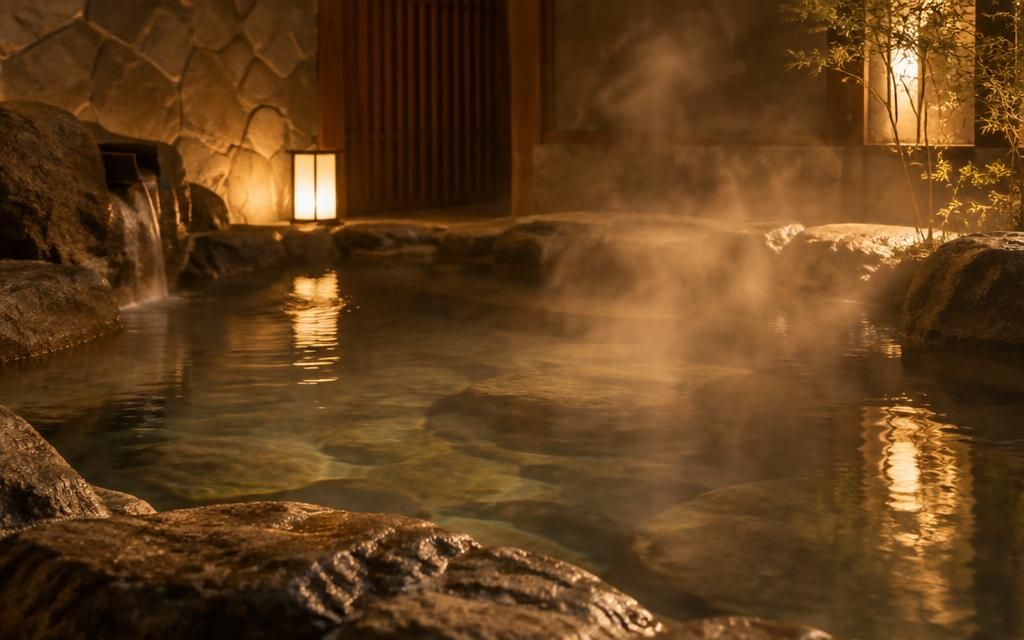
This tension between pleasure and measure is still with us. ZeinAn embraces luxury as craftsmanship, beauty and attention to detail, while remaining faithful to the Stoic idea that true luxury is not waste.
Our waterless specialisation adds a modern twist to an ancient story. In a heritage so rich in water, we explore formats that use water thoughtfully — without claiming that one approach is always better than another.
Editorial heritage essay by ZeinAn, within the cultural remit of the Longevity Academic Committee. Mythology and tradition are presented as such; this text makes no product or health claims.
Next essayThe Troodos: mountains of copper, pine and monasteries →