
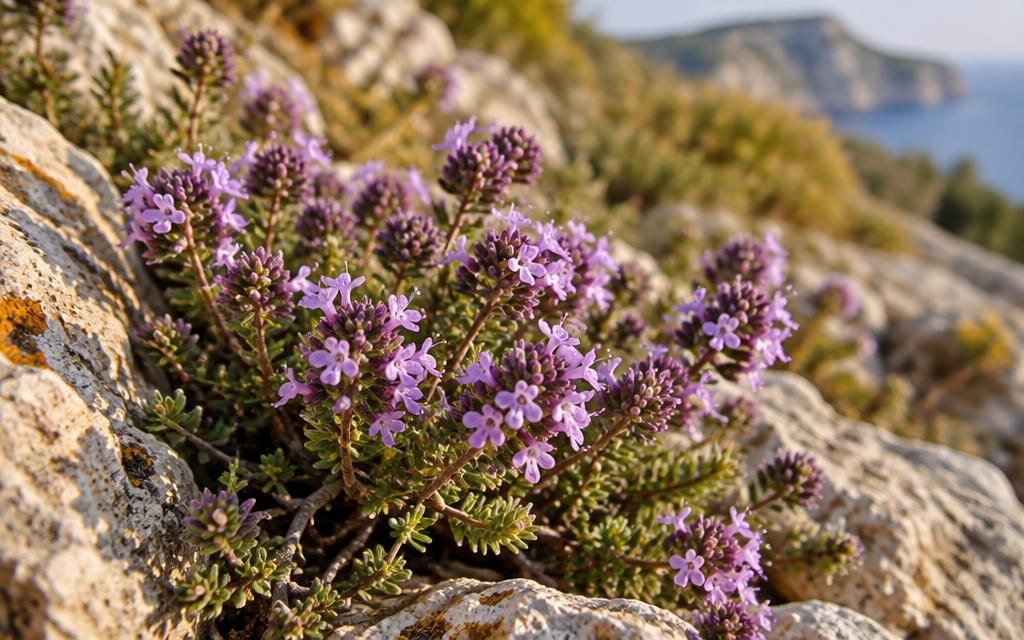
Wild aromatic plants have flavoured kitchens, scented homes and filled folk remedies across Cyprus for generations.
Walk on a Cypriot hillside in spring and the air smells of herbs. Thyme, oregano, sage, rosemary and many other aromatic plants grow wild among the rocks, some of them found only on the island.
Gathering herbs was traditionally a family activity. Bundles were dried in the shade, hung from beams, stored in jars and used throughout the year in cooking, in infusions and to scent linen and rooms.
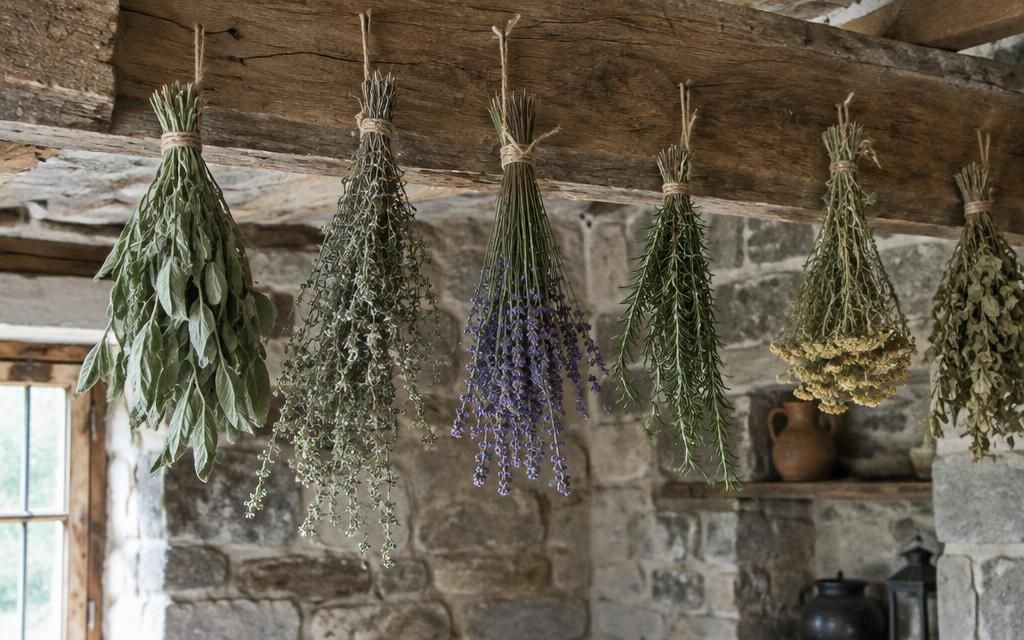
Folk knowledge attributed many virtues to these plants. Such traditions are valuable as cultural heritage, but they are not evidence of efficacy; modern science studies each plant and use separately.
Aromatic plants were also part of celebration. Basil, for example, has a special place in Orthodox traditions, and fragrant branches decorate churches and homes on feast days.
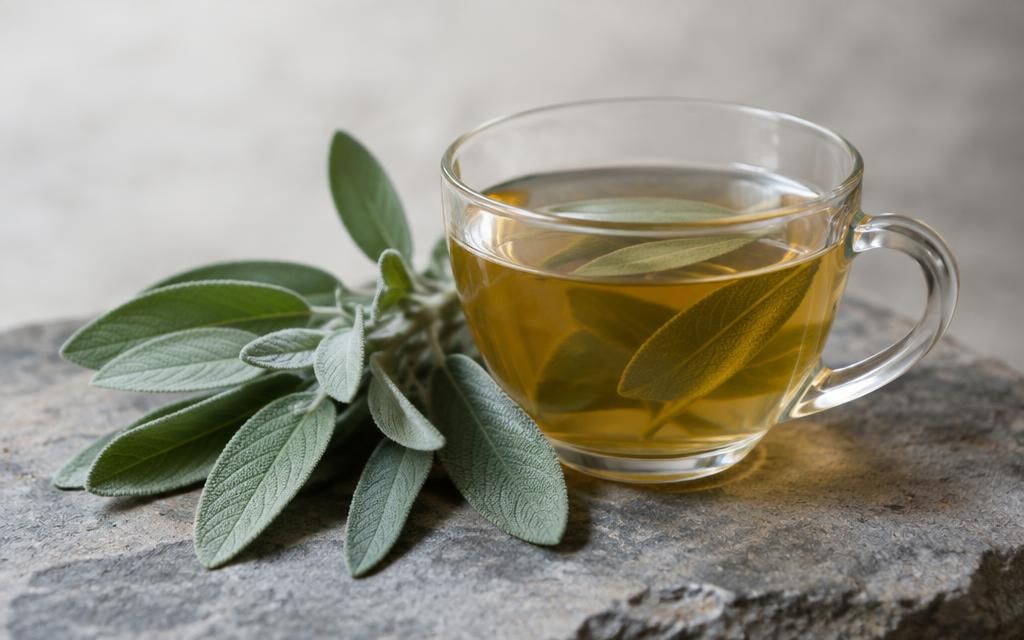
Responsible gathering matters. Wild plants are part of fragile ecosystems, and some species are protected. Respecting the hillside is part of respecting the heritage.
ZeinAn takes inspiration from this aromatic landscape in its approach to scent: subtle, natural-feeling and rooted in place. Every ingredient we use is chosen and documented according to the applicable rules.
Editorial heritage essay by ZeinAn, within the cultural remit of the Longevity Academic Committee. Mythology and tradition are presented as such; this text makes no product or health claims.
Next essayThe rose of Agros and the art of rosewater →